
Why Is October Contact Lens Safety Month? History, Myths, and Why You Should Care
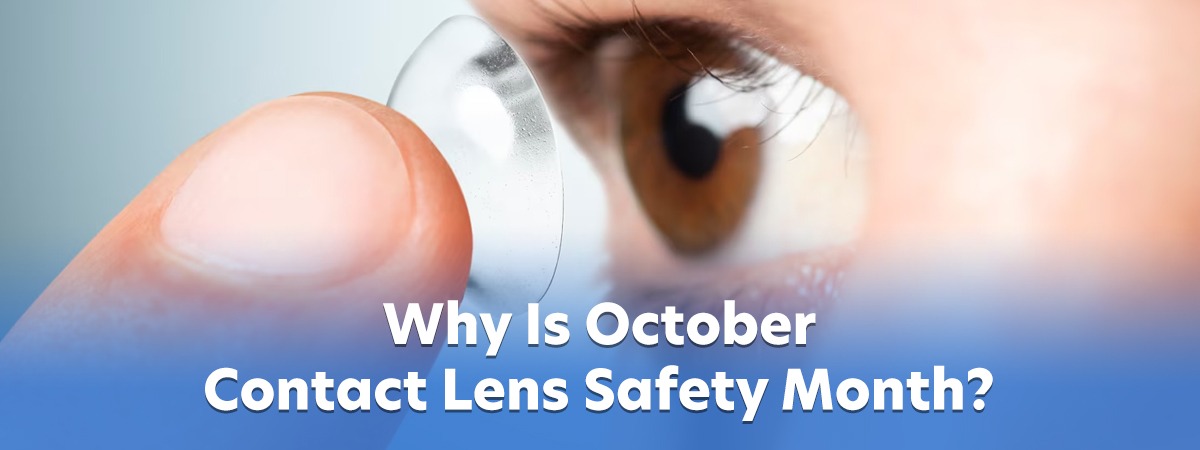
Think about the last time you popped in a pair of contacts. Thirty seconds, maybe less. You didn’t think twice about it. But that tiny disc of plastic is sitting directly on the surface of one of your most delicate organs — your cornea, the clear window at the front of your eye. No pressure.
That’s why eye care professionals like optometrists in Holt, MI, use October to remind everyone: contacts are medical devices, not fashion accessories. And treating them like jewelry is how you end up in the ER.
So, why October? One word: Halloween.
Stores and websites flood with colorful “fun” lenses—cat eyes, zombie irises, flames, vampire red. They look killer in photos. The catch? Many are sold online or at party stores with no fit check, no prescription, and no regard for the fact that eyes come in wildly different shapes and sizes.
A lens that doesn’t fit properly can:
- Scratch your cornea (corneal abrasion)
- Trap germs against the eye surface
- Starve your cornea of oxygen, which it needs to survive
- Create an incubator for bacterial or parasitic infection
Doctors see painful infections—and yes, permanent vision loss—from costume lenses every October.
According to the American Academy of Ophthalmology and American Optometric Association, 1 in 500 contact lens wearers get a serious eye infection each year. And 99% of wearers admit to at least one behavior that puts them at risk (CDC).
October is the perfect time to say it loud: even lenses that don’t change your vision need a proper fitting and a prescription. No exceptions.
How We Got Here: Contact Lenses Through Time
Early 1500s: Leonardo da Vinci sketched a concept involving the eye and water. Thought experiment, not a product.
1800s: Scientists experimented relentlessly. In 1888, the first glass lenses were fitted to human eyes. They worked—but they were heavy, uncomfortable, and barely tolerable.
1930s–40s: Lightweight plastics replaced glass, finally making lenses practical for regular wear.
1950s–60s: Czech chemist Otto Wichterle developed a soft, water-loving hydrogel material. This became the foundation for the soft lenses most of us wear today.
1971: Soft lenses hit the American market.
Late 1980s: First disposable lenses arrived. Throw away old lenses instead of scrubbing them between wearings. Revolutionary.
Late 1990s onward: New materials allowed significantly more oxygen to pass through to the eye, making all-day wear healthier and far more comfortable.
Today: Options exist for blurry distance vision, astigmatism, presbyopia (trouble reading up close), and even multifocal designs. But technology only helps if you handle the lenses correctly. Spoiler: most of us don’t.
The Biggest Myths About Contact Lens Care (And Why They’re Dangerous)
Myth 1: “No-Rub” Solutions Mean No Cleaning Needed
False. Even if your solution bottle says, “no-rub” the American Academy of Ophthalmology still recommends rubbing and rinsing with fresh solution every time you remove your lenses. Friction removes surface deposits that disinfectants alone can’t. If you skip the rub, you skip the protection.
Myth 2: Simply Topping Off Solution To Save Time
THE most dangerous habit out there: draining last night’s solution and adding a splash of fresh stuff on top. Don’t do it. The old solution harbors microbes. Empty the case, rinse it with solution (not tap water), let it air-dry upside down, and fill it with brand-new solution. Every single time.
Myth 3: Water Is Fine in a Pinch
Absolutely not. Tap water, bottled water, pool water, lake water—none of it is sterile. Water can contain microscopic organisms like Acanthamoeba, a parasite that causes infections so severe they can lead to blindness or require corneal transplants. Also: don’t wet lenses with your saliva. Seriously, people. Your mouth is full of bacteria that don’t belong in your eye.
Myth 4: Costume Lenses Don’t Need Prescriptions
They’re still lenses, and they still sit on your cornea. They still need proper fitting, and professional supervision. Buying from street vendors, beauty supply stores, or sketchy websites means nobody checked if that lens actually fits your eye. This is how infections and vision loss occur.
Myth 5: Napping Won’t Hurt
Falling asleep in lenses—even for a power nap—increases infection risk dramatically. Your cornea gets less oxygen when your eyes are closed. Stack that with reduced tear flow and trapped debris, and you’re inviting trouble. Remove them. Period.
Everyday Habits That Actually Protect Your Eyes
- First- Clean hands. Wash with soap, rinse, dry with a lint-free towel before touching your lenses. Fibers from paper towels can stick to your eyes.
- Respect expiration dates. Monthly lenses get tossed after 30 days. Dailies are for one day only. Wearing them longer saves pennies and risks your sight. There’s no middle ground.
- Swap your case regularly. Replace it every three months, or immediately if it cracks. Germs build up inside cases even when they look clean to you.
- Never shower or swim in lenses unless you’re wearing tight-fitting goggles and using dailies you’ll discard afterward. Water exposure = infection risk.
- Don’t skip annual exams. Your eyes change over time. A yearly exam keeps your prescription accurate and catches problems early. Glaucoma, retinal issues, corneal shape changes—these don’t announce themselves until they’re advanced.
- Watch for red flags. If you experience persistent redness, pain, light sensitivity, unusual discharge, or blurred vision that won’t clear, remove your lenses immediately and call your eye doctor. Don’t wait until morning. Don’t hope it resolves. Infections progress faster than you think.
If You’re Wearing Costume Lenses This Halloween
- Start with an eye exam and prescription first.
- Buy from licensed eye care providers—never from mall kiosks, beauty supply, street sellers, or sellers who don’t ask for a prescription.
- Never swap lenses with a friend, no matter how cool the look is. Cross-contamination is real.
- Remove them as soon as the party ends. Don’t sleep in them.
- If irritation occurs after removal, give your eyes a break and consult your doctor before wearing any lenses again.
No costume is worth losing your sight. That’s not being dramatic—it’s just a fact.
Also Read: The Choice Between Eyeglasses and Contact Lenses
Dry Eye and Contact Lenses: The Silent Problem
Here’s something most patients don’t connect: if you’re experiencing burning, grittiness, or fluctuating vision while wearing contacts, you might have dry eye disease. Screen time, age, medications, and environmental factors all contribute. About 45 million Americans wear contact lenses, and dry eye is one of the top reasons people quit wearing them altogether.
At Goodrich Optical, we assess dry eye risk before recommending any lens type. Sometimes you need a different material. Sometimes you need daily disposables. Sometimes you need treatment before you resume wear. Don’t push through chronic discomfort—it rarely gets better on its own.
See Better and Safer with Goodrich Optical
At Goodrich Optical, your eye health always comes first. Whether you’re new to contact lenses, overdue for a check-up, or want a safe way to pull off a Halloween look, our friendly team is here to guide you. We’ll make sure your lenses fit well, feel comfortable, and keep your eyes healthy.
Schedule your exam at Goodrich Optical today .